Investing in a Durable Backpack: What Long-Term Value Really Looks Like
When shopping for a backpack, it’s easy to focus purely on upfront features — capacity, color, number of pockets — while overlooking a factor that matters just as much over time: durability. A backpack that holds up well over years of daily use can mean fewer replacements, less frustration with broken zippers or frayed seams, and a bag that continues to perform as reliably in year three as it did in month one.
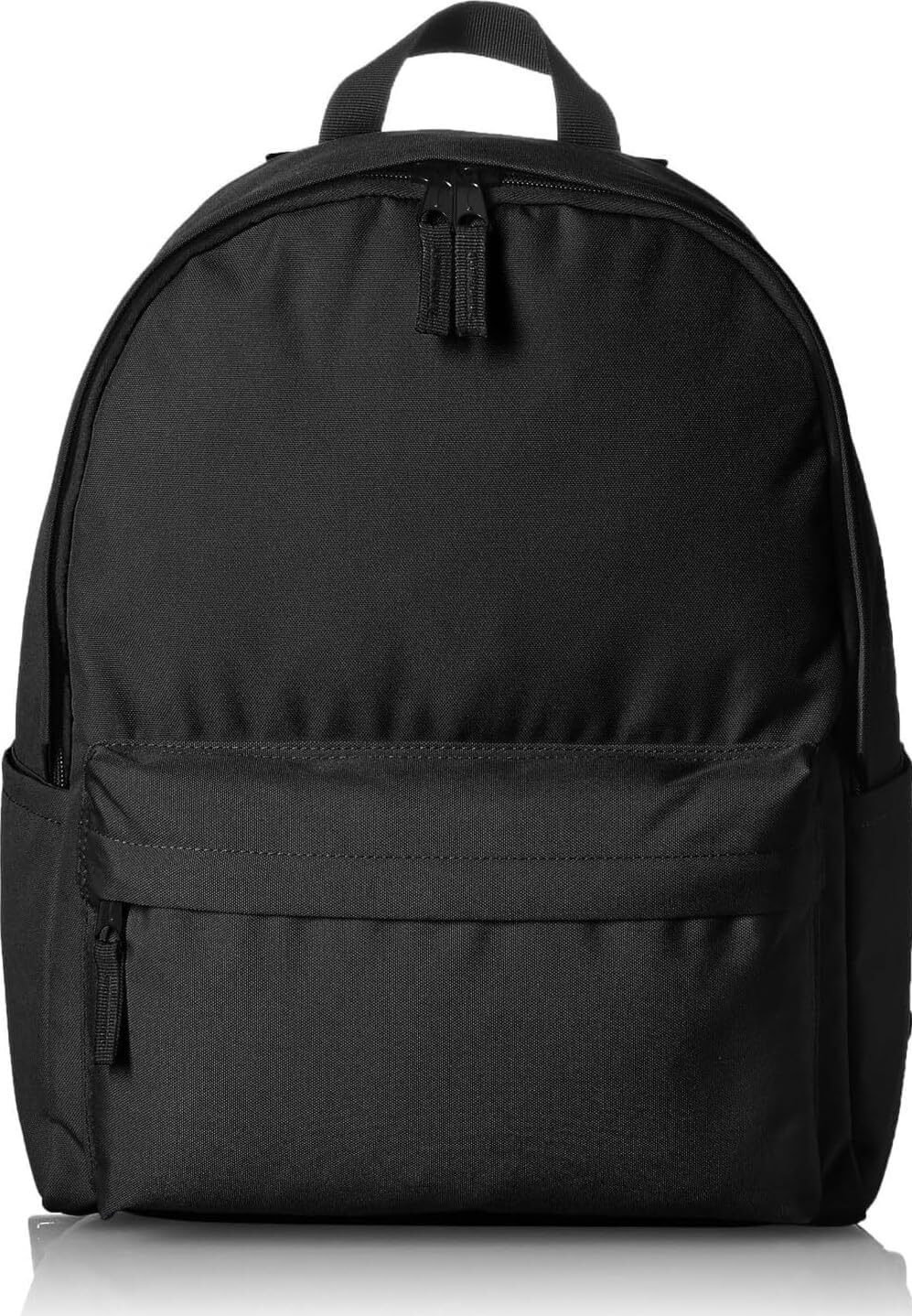
This article takes a closer look at a durable travel backpack designed for campus life, outdoor travel, and daily work commutes, built around reinforced stitching and a zipper system tested for extended use. Rather than presenting this as a review, the goal is to walk through what these durability-focused features typically mean in practice, how the bag might fit into different routines, and what’s worth thinking about before choosing a backpack built primarily around long-term resilience.
Introduction
Backpacks endure a surprising amount of stress over their lifespan. They’re packed and unpacked multiple times a day, tossed onto floors, squeezed into overhead bins, rained on, and generally handled without much gentleness. Over months and years, that repeated wear tends to expose weak points — a zipper that starts sticking, a seam that begins to fray, straps that stretch unevenly.
This is where durability-focused design comes into play. A backpack built with reinforced stitching and a zipper rated for repeated use is aimed at addressing those common failure points before they become a problem. For students carrying heavy textbooks across campus, commuters navigating crowded trains, or travelers checking bags at the airport, this kind of construction can translate into a bag that simply lasts longer under everyday pressure.
It’s worth noting that specific projected savings figures — like cost comparisons over multiple years — are marketing estimates rather than guaranteed outcomes, since actual longevity depends on usage patterns, care, and conditions. What can be discussed more concretely are the structural features themselves and what they generally aim to accomplish.
Key Features
Reinforced Stitching
One of the more meaningful aspects of a durable backpack’s construction is reinforced stitching, typically applied at stress points like strap attachments, corners, and zipper edges. These are the areas most likely to experience tension and repeated pulling, so extra reinforcement in these spots is intended to reduce the likelihood of seams coming apart over time. For anyone who has dealt with a strap tearing loose from a bag’s body, this kind of detail addresses a fairly common and frustrating failure point.
Heavy-Duty Zipper System
The zipper is often the first component to fail on a lower-quality bag, since it’s used constantly and bears the friction of repeated opening and closing. A zipper tested for extended cycles — sometimes referenced in terms of thousands of open-close repetitions — is designed to resist the kind of wear that leads to snagging, misalignment, or teeth separation. This matters particularly for people who access their bag frequently throughout the day, such as students moving between classes or commuters checking their belongings on transit.
Structured Design for Travel and Commuting
Beyond raw durability, the backpack’s structure is built to accommodate the practical needs of both campus life and travel. This generally includes a main compartment sized for laptops, books, or a few days’ worth of clothing, along with organizational pockets for smaller items like chargers, pens, or a phone.
Material Choice for Everyday Wear
Durable backpacks typically rely on tightly woven, abrasion-resistant fabrics that can withstand scraping against rough surfaces, exposure to light moisture, and the general friction of being set down and picked back up throughout the day. While specific material composition should be confirmed through the product listing, this general approach to fabric selection is common in bags marketed around longevity.
Comfort-Oriented Strap Design
Long-term durability isn’t just about the bag’s shell — it also extends to how comfortably it can be worn over time. Padded, adjustable straps help distribute weight more evenly across the shoulders, which reduces strain during long days of carrying books, a laptop, or travel gear.
How It Can Be Used
A backpack designed for durability tends to work well across several different contexts, largely because its core strength — resilience under repeated use — applies to almost any situation involving daily carrying.
For campus life: Students can rely on the bag to carry textbooks, laptops, and class materials across a full academic year (or several), with the reinforced construction intended to hold up against the frequent packing and unpacking that comes with a busy class schedule.
For work commutes: Professionals commuting by train, bus, or car can use the bag to transport a laptop, documents, and personal items, with the durable zipper system aimed at reducing the annoyance of a zipper that jams or fails during a rushed morning commute.
For outdoor travel: The reinforced stitching and resilient materials are also suited to the bumps and scrapes that come with travel — being tossed into a car trunk, stowed under an airplane seat, or set down on uneven outdoor terrain during a hike or day trip.
For long-term daily use: For anyone who wants to buy a backpack once and use it consistently for years rather than replacing it annually, a durability-focused design is generally the more relevant category to consider, since it’s built specifically to reduce the wear-related issues that shorten a typical bag’s usable lifespan.
Who It May Be Suitable For
This type of backpack tends to appeal to people who prioritize longevity and reliability over trend-driven design choices:
- College and university students who need a bag that can survive years of daily campus use without the straps, zippers, or seams giving out partway through a semester.
- Daily commuters who rely on their backpack every single workday and want to avoid the inconvenience of dealing with a failing zipper mid-commute.
- Frequent travelers who need a bag that can handle the rougher handling associated with flights, road trips, or outdoor excursions.
- Budget-conscious buyers who would rather invest in a single durable bag than repeatedly replace lower-durability options — though, as noted earlier, exact cost savings will vary by individual usage and shouldn’t be treated as a fixed guarantee.
It may be less essential for someone who uses a backpack only occasionally or who prefers to replace bags frequently for style reasons, since the added durability features may not be as noticeable under lighter, less frequent use.
Important Things to Consider
Even a well-constructed backpack benefits from a bit of upfront thought about how it will actually be used.
Actual usage frequency: Durability features tend to show their value most clearly under heavy, repeated use. Someone who uses a backpack daily for years will likely notice the benefit of reinforced stitching and a heavy-duty zipper more than someone who uses a bag occasionally.
Weight capacity versus load habits: It’s worth thinking about how much weight is typically carried — a stack of textbooks, a laptop and charger, travel clothing — since even a durable bag benefits from not being consistently overloaded beyond its intended capacity.
Zipper testing claims: Ratings like “tested for thousands of cycles” refer to controlled testing conditions, and real-world results can vary based on how carefully the zipper is used, whether it’s forced when caught on fabric, and general handling habits.
Cost-comparison claims: Marketing language about long-term savings compared to replacing cheaper bags is intended to illustrate a general value proposition, not a guaranteed financial outcome. Actual savings depend on how long a lower-cost alternative would have lasted in your specific circumstances, which is inherently variable.
Care and maintenance: Even durable materials benefit from basic care — avoiding overloading pockets beyond their capacity, cleaning according to any provided instructions, and storing the bag properly when not in use — to get the most out of its intended lifespan.
Warranty or return policy specifics: For any purchase centered on long-term durability, it’s worth checking the specific warranty terms or return policy listed with the product, since these can vary and provide useful peace of mind.
Comparing General Backpack Categories
Instead of comparing specific competing products, it helps to understand where a durability-focused backpack fits within the broader range of backpack types.
Budget-oriented backpacks are typically designed for lower upfront cost and lighter use. They can work well for occasional use or short-term needs but may show wear more quickly under frequent, heavy use.
Fashion-forward or trend-based backpacks prioritize current style and aesthetics, which can be appealing for those who like to update their look periodically, though style-focused designs don’t always emphasize structural reinforcement to the same degree.
Durability-focused backpacks (like the one discussed here) prioritize construction quality — reinforced seams, resilient zippers, sturdier fabric — aimed at extending usable lifespan under frequent, demanding use, even if that sometimes means a more understated aesthetic.
Specialized technical backpacks, such as hiking or outdoor expedition packs, often combine durability with specific features like weatherproof coatings or modular attachment systems, but they’re generally built for more niche use cases than everyday campus or commuting needs.
Within this landscape, a durable, general-purpose backpack tends to serve people who want reliable, long-term performance without needing highly specialized outdoor features.
Frequently Asked Questions
How long can a durable backpack like this typically last?
Actual lifespan varies significantly based on usage frequency, load weight, and care habits. While reinforced construction is designed to extend durability compared to standard bags, no backpack is immune to wear over time, and specific longevity claims should be understood as general estimates rather than guarantees.
Does the reinforced stitching add noticeable bulk or weight?
Reinforcement is generally applied selectively at stress points rather than throughout the entire bag, so it typically doesn’t add significant bulk, though specific construction details are best confirmed through the product listing.
Is the zipper actually tested, or is that just a marketing claim?
Manufacturers often reference internal or third-party testing standards (such as cycle counts) to describe expected zipper durability. These figures reflect controlled testing conditions and are a useful general indicator, though real-world performance can still be influenced by how the zipper is used day to day.
Can this backpack be used for both school and travel?
Yes, durable backpacks in this category are typically designed with enough general versatility to handle both daily campus use and the physical demands of travel, though it’s worth checking specific dimensions against airline or personal packing needs.
Is the $500 savings claim guaranteed?
No. Cost-savings comparisons found in product marketing are illustrative estimates based on assumptions about replacement frequency and alternative product costs. Actual savings will vary by individual and shouldn’t be treated as a fixed financial promise.
What’s the best way to maintain a durable backpack over time?
General care tips include avoiding consistent overloading beyond the bag’s intended capacity, cleaning it according to any provided care instructions, and storing it in a dry place when not in use, all of which can help preserve its condition over the long run.
Conclusion
Durability is one of the more underrated factors in choosing a backpack, especially for anyone who relies on their bag daily for school, work, or travel. Reinforced stitching and a heavy-duty zipper system are practical features aimed at addressing the most common points of wear and failure, potentially extending a bag’s usable life well beyond what a more basic design might offer.
That said, it’s worth approaching marketing claims — particularly specific cost-savings figures — with a reasonable degree of skepticism, since actual results depend heavily on individual usage patterns. The more reliable approach is to look closely at the construction details themselves: how the stitching is reinforced, what kind of zipper system is used, and how the bag is built to handle repeated daily wear. Reviewing the full product specifications can help clarify whether this kind of durability-focused design lines up with your own needs.